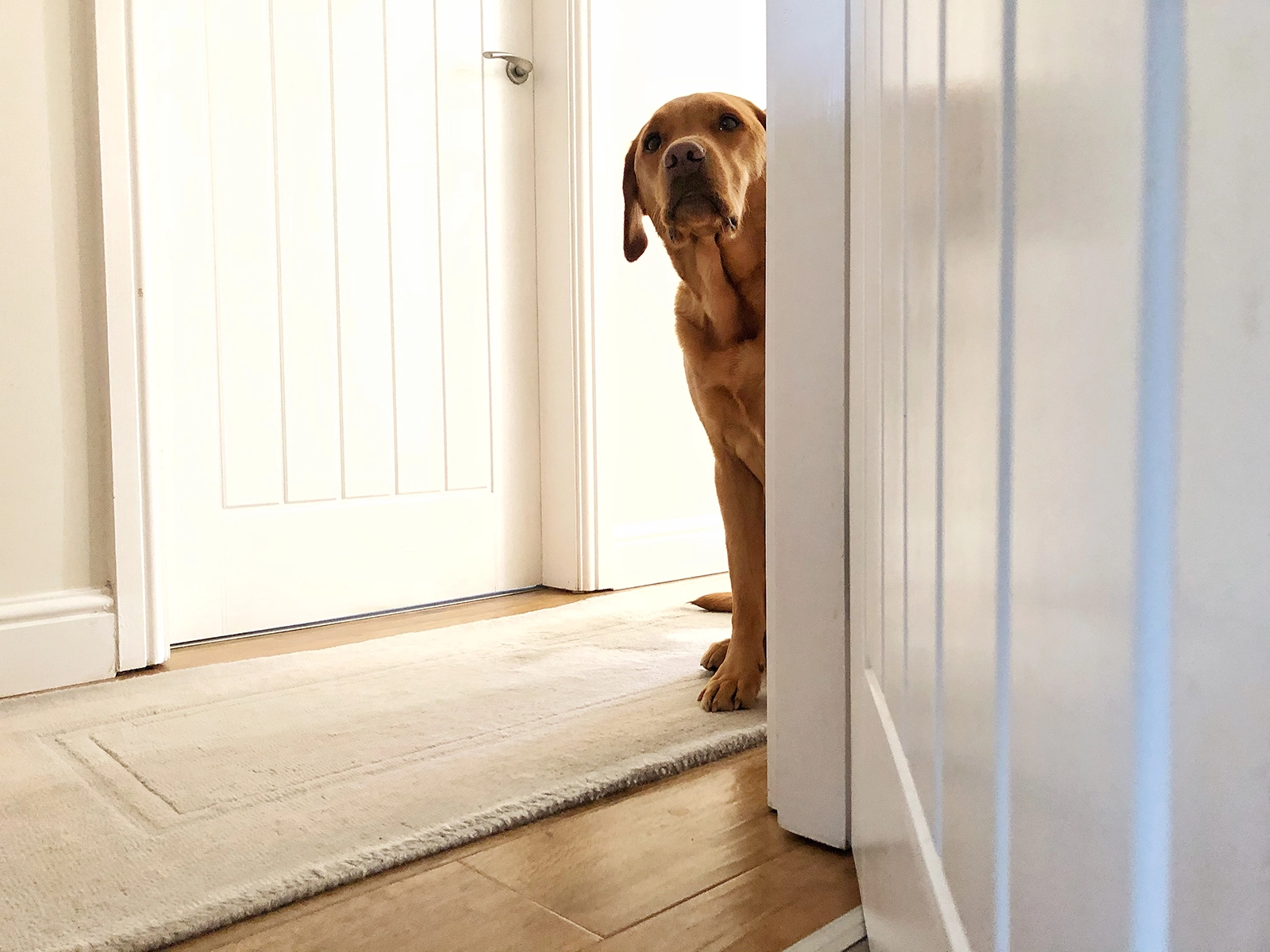
One of the most common diseases I see as an in-home euthanasia veterinarian is canine cognitive dysfunction, or “dog dementia.” Because these dogs are typically still eating, moving and not “acting” sick, and due to the slow unfolding of the disease itself, many people don’t perceive this as a quality of life issue, though their pet’s personality and behaviors have completely changed. It often requires another disease or ailment to show up before a client will actually reach out to discuss their pet’s quality of life. A lot of my time is spent educating clients about the signs of canine cognitive dysfunction so they can recognize it sooner for other pets in the future, and understand that it really does have a big impact on quality of life.
Dementia in dogs is similar to Alzheimer’s disease in humans caused by protein plaques and brain cell degeneration. It starts out with subtle symptoms which makes it difficult to detect early.
Early signs include:
- Becoming more clingy and anxious OR withdrawing from family
- Less interest in being held, restrained or petted
- Losing interest in playing (toys, ball, etc.)
- General restlessness
As the disease progresses the signs become more obvious, and if other senses are lost (vision and hearing), the progression of dementia actually accelerates.
More advanced signs include:
- Nighttime pacing and/or circling (sundowning)
- Staring off blankly or staring at walls, appearing confused
- Getting trapped in/behind furniture
- Flip-flop of sleep-wake cycle (sleeping during the day and up pacing, circling,
whining or barking at night) - House soiling in a previously house-trained dog
If you have a pet that exhibits any of the symptoms above, please talk to your veterinarian about it to institute early management strategies. I will focus on these strategies for next month’s blog. In the meantime, here are some helpful links with more information and tools to screen your own pet now.
A simple unvalidated (not scientifically tested) tool:
Validated (scientifically tested) screening tools:
Canine Dementia Scale (CADES) Worksheet (may be better in detecting early signs of dementia)