
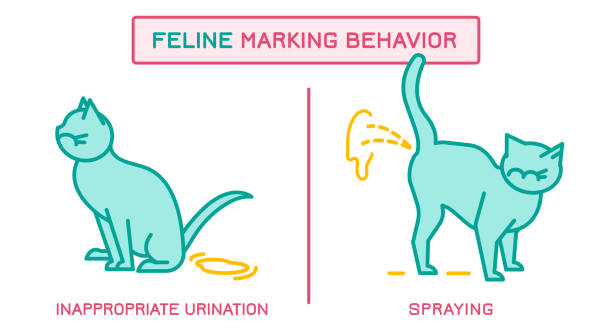
Obviously, some behaviors can be impossible to change or correction measures may be very costly with no guarantee of improvement. Serious aggression can still indicate a medical cause is at work, such as parasitic, viral or bacterial infectious disease, inflammatory disease, and a host of other problems including tumors in or outside the brain may be to blame. Some diseases may even be zoonotic (transmissible to humans). like rabies, which is rare but extremely serious. I highly recommend these strategies to avoid behavioral problems or to help improve behaviors if you are currently experiencing issues with your dog or cat. :
- See your veterinarian for preventative medical care and behavioral advice with any new pet. They can keep your pet healthy and be a wealth of information for any newly acquired addition to your family.
- Start young (first 3 months of life) and socialize, socialize, socialize. These are critical weeks that can make or break a pet behaviorally.
- Get structured obedience training
- Provide exercise and know that some dogs need a job (herding, tracking, hunting, etc.)
- Spend time with your pet - you are their favorite past-time, after all!
- Act early, do not delay in getting help if something arises as some behaviors can become more difficult to manage with time.
- Work in partnership with your veterinarian to rule out medical or environmental causes. Behavior training, medications and/or environmental changes may make all the difference.
- Seek the help of a veterinary board certified behaviorist for more difficult cases after medical causes have been ruled-out.
See this position statement on puppy socialization from the American Veterinary Society of Animal Behavior:

When a person is struggling due to their pets' behavior, and when euthanasia of a pet seems like the only way out, know that there are other options. This list of resources is a great starting point to getting that help so that euthanasia does not feel like your only choice. I have called it PEARL not just for the acronym, but it also offers "pearls of wisdom" with relevant local resources that could mean the difference between life and death for a pet, and it can help a person not resort to rash decisions when stressed and feeling like there is nowhere to turn. I offer these resources for more minor behavioral issues and do not encourage rehoming of aggressive pets without first consulting your veterinarian or veterinary behaviorist. Sadly and understandably, once a pet has resorted to aggression leading to injury of another pet or person, liability risk along with finding places that are willing to accept or re-home this pet can be very difficult, depending on the region and resources. Please note that this list is not exhaustive and there are other options that are searchable online.
PEARL - Pet Euthanasia Alternatives Resource List - for the Corpus Christi, TX Area
Veterinarians:
- Be sure to check with your veterinarian to rule out medical problems before assuming it is a behavioral problem. If you don't have a veterinarian, find one and visit regularly.
- Pet Quietus offers in-home comfort care consults to assess your pet and gives advice and instructions on how to manage symptoms to make your pet's comfort and quality of life a priority.
Trainers:
- Andrea Bogle - Owner/Canine Behavior Specialist - (361) 537-0531
Animal Smart Training: Puppy Training | Corpus Christi
- Terry - Always Faithful Dog Training - 361-219-1844

To Re-home a Pet On Your Own
To Surrender a Pet
- Gulf Coast Humane Society
- Animal Care Services
Although part of my service is to provide in-home euthanasia, this is not my goal. My goal is to recognize the needs of an animal and if possible, and in partnership with YOU, discuss and implement areas for improvement. Pet Quietus offers Comfort Care Consultations, Quality-of-Life Consultations and Compassionate In-Home Euthansia visits to support all stages and needs. We hope to avoid pain and suffering and to catch problems earlier, rather than later, in order to have a greater impact!