1. Improve Traction
This can be a simple way to improve your pet's confidence and mobility:
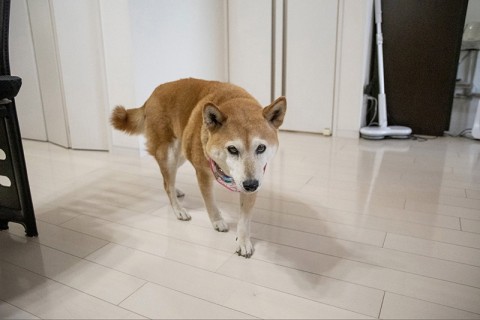
- Trim hair between paw pads, if tolerated
- Use runners, non-slip rugs, yoga mats or puzzle foam mats to create traction in high traffic areas (in and out of home, sleeping areas, to and from food and water, etc.)
- Use products directly on paws or nails to improve traction (PawFriction granules, adhesive paw pads cut to each individual pad, Dr. Buzby's Toe Grips, Biogroom Show Foot spray, etc.)
2. Stairs and Doggy Doors
- Baby gates to block longer flights of stairs (going down is usually much harder than going up) or doggy doors if unable to navigate properly
- Ramps - should have good traction (rubber mats, horizontal wood slats for gripping) and should not be more than 25 degrees incline or decline. Any steeper and most pets will avoid them. Regardless, your pet will need to be coaxed and trained to use a ramp with treats and positive reinforcement. Every experience should be a positive one to avoid fear of the ramp. Go slow and make it fun!
3. Food and water bowls

- Raised bowls for larger dogs
- Lower-level bowls for cats that cannot jump like they used to
- Multiple bowls and prime locations for easier access
- Water sources for cats: Cats also benefit from options with how they take in water (fountains, dripping sink or bathtub faucets, water in a glass in the windowsill) so mix it up for them!
4. Environment Enrichment
Pets can become depressed and/or anxious when less mobile, so you need to help them move for their physical, mental and emotional health. It's great for you too! Large dogs that are "down" typically have very large bladders that can cause pain, panting and anxiousness. They must be helped outside and often need help and support while urinating or defecating.
Stroller or wagon rides for smaller dogs
Change out toys and/or hide treats around the home so they have to find them. Enrichment puzzles and snuffle mats are also fun!
Have friends over for playdates if your pet likes other pets, your groomer, pet-sitter or neighbor, and as long as it's not stressful.
Use harnesses designed for lifting the back and front end of larger dogs, or a towel slung under the belly, to help lift and move larger pets at least every 4 hours.
5. Beds and Litter Boxes
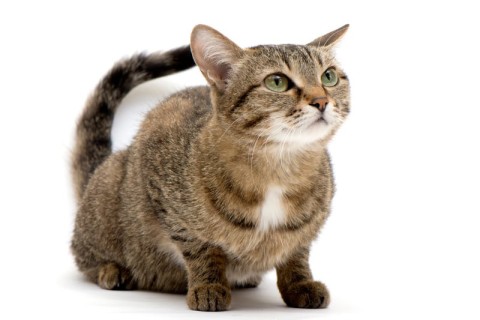
- Provide heated beds for cats, if they can move away on their own if needed
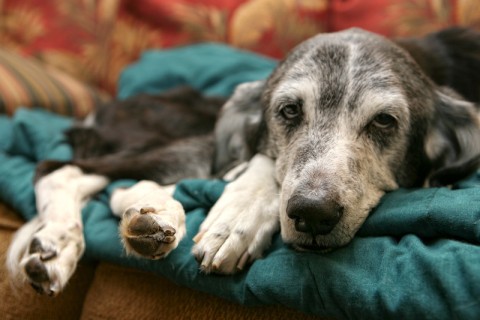
- Avoid thick, soft and squishy beds with arthritic dogs and opt for thinner beds with firm support that are easier to navigate.
- Uncover cat litter boxes and use boxes that have low entry points.
- Use only 1-2 inches of litter as deeper litter can be difficult for your arthritic cat to walk through.
- Provide 1 more litter box than the number of cats in the household and at least one on each floor of the home.