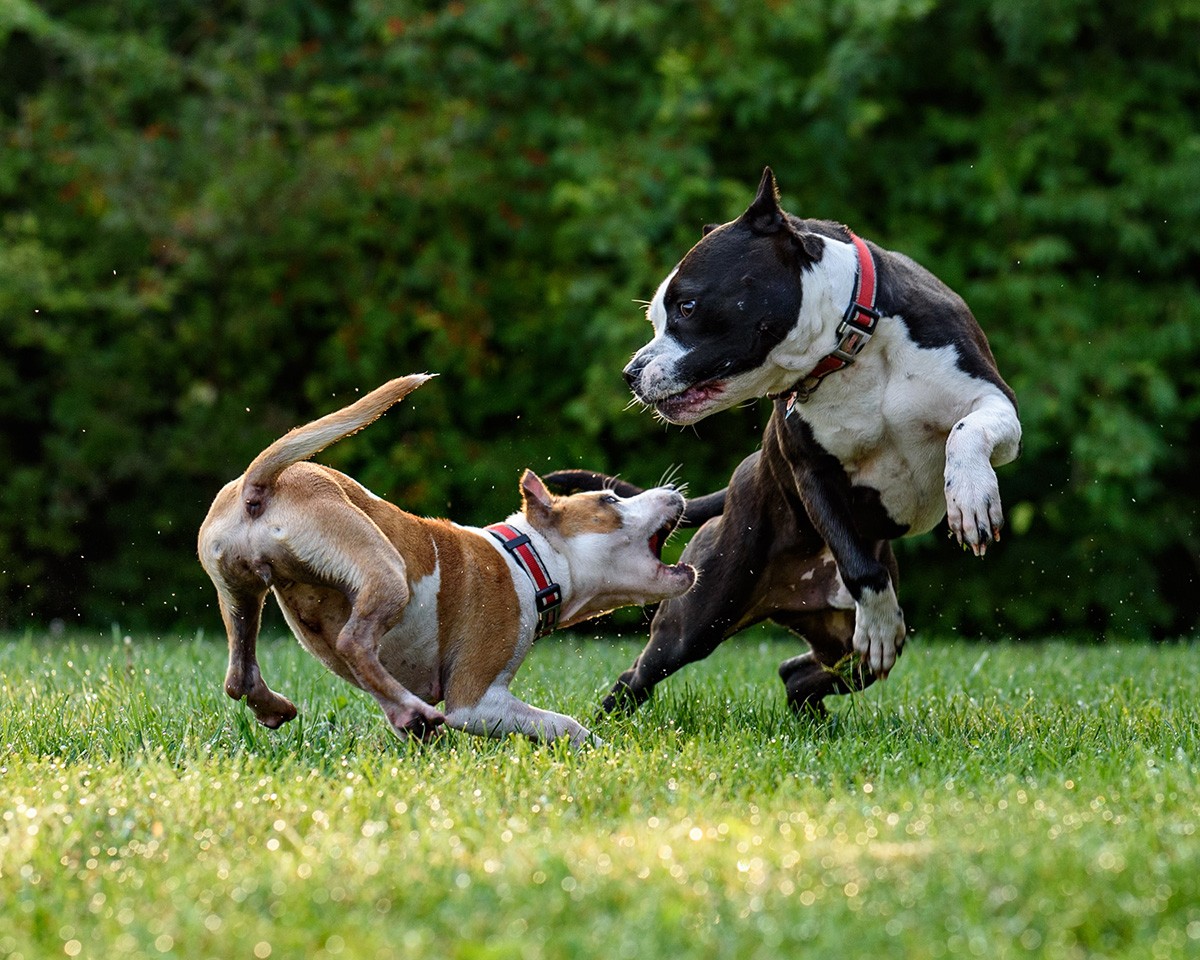
The human-animal-bond is, at it's essence, the strong relationship we share with pets in our lives. It is often mutual, and there are deep emotional, physical, social and psychological reasons for its existence. The release of oxytocin during animal interactions can decrease ones heart rate, blood pressure and stress hormones.
On the surface, dogs and cats are mostly quiet and unassuming when pain or illness strikes. This is especially true in older dogs and cats and we often chalk up changes to "just getting older." Because they can't talk like we do, learning to read their language and acting as their interpreters for your veterinarian is key to catching and managing things early. YOU are the best advocate for your pet because you know your pet's language. Jake whines to tell you to play ball and barks when there is danger, but Missy barks when playing ball and hides when danger is near. YOU know your pet better than anyone because you know their routine. Shiloh gets you up out of bed every morning to eat, but Sammy will sleep right on through with you, and even skips meals every now and again. Pearl sits at the door every day at 5pm for her walk while Princess can't be bothered with exercise, but you better have her treat ready at 2pm! Because of this daily, intimate relationship that only you have with your pet, YOU are the key to sounding the alarm when something isn't right.
For some, thinking about the loss of a beloved pet can be enough to throw them into the doldrums of sadness and grief. It's the lump in your throat, the thing that makes your stomach turn, the source of why your head hurts. Emotional and psychological pain can become a physical ailment. It is important to work through the loss, however, and not push it aside or put it on a shelf for another day. There are small things you can do to work through the emotion of loss, memorialization of the loved pet is one of those.
Memorialization of a pet includes honoring, commemorating or admiring the life of your friend. It can be performed in many ways and can have a healing effect, softening the pain and allowing room for peace. Here are some ideas for how you can memorialize your pet and start down the road toward more healing and peace.
Día de los Muertos, or the Day of the Dead, is a vibrant celebration that honors the lives of those who have passed away. This holiday, while primarily focused on human loved ones, also holds a special meaning for our furry companions. October 27th is the day to honor pets we have lost. As pet owners, we know the deep bond we share with our pets, and their loss can create an immense void. In this blog post, we will explore the importance of honoring deceased pets during Día de los Muertos, share personal reflections on the loss of my cherished cat, Jasmine, and offer suggestions for creating your own meaningful tributes.
It happens. Life has a way of placing us on the opposite side of where we usually stand. As a veterinarian, I typically offer expertise and advocate for the health and quality of life of other people's pets. I sit by their sides, guiding them through grief, loss, and the pain of tough decisions. I discuss the financial, emotional, and physical 'cost' of care, and offer advanced treatment options, alternative therapies, or palliative care.. Yet here I am, on the other side. I am the client, my cat, Jasmine, is the patient. I lean on my own colleagues because it's hard to objectively navigate the care of your own pet. Emotions are high, decision-making can be biased, now it's my family I need to communicate with, my own kitty that I need to treat.

Being a veterinarian that helps people say good-bye to their beloved pets in the home, I travel a lot and come across many touching tributes and experiences. Because I am very focused at helping my patients and families, I know I miss a lot of them too. Recently, I was fortunate to stumble across what you see in this picture. I had to step out of an appointment to get an item from my car and when I came back, after already traversing the walkway to the home twice without seeing them, I noticed dog paw prints that had been stamped into the concrete walkway toward the home. They were perfectly imperfect; not symmetrical and unevenly spaced, they veered off to the left and off the path once entering the gate. They were perfect in the fact that they were so real, so intentional and the depression in the concrete had perfect depth so it made them stand out. I couldn't believe I had missed them.
The two really can go together. A painful cat can become A pain. You may notice more grouchiness, wanting less interaction, petting or brushing, and hissing, scratching or trying to bite may be noted when this wasn't normal behavior previously. Did you know that 40% of ALL cats have osteoarthritis pain? Or that over 90% of cats older than 12 years old have x-ray evidence of arthritis? It is important to know that a large majority of older cats have arthritis, a large majority of older cats are in pain, and we, as their people, are not good at recognizing it.
You probably already know that recognizing, honoring and celebrating the service and sacrifice of our military men and women is reserved for November 11th each year. This date was initially observed to recognize the end of World War I, known as Armistice Day, and later became Veteran's Day to honor all Veterans, living and dead, in 1954. Did you al...
I have received a number of calls to euthanize pets that are physically healthy but causing problems behaviorally. This can be anywhere from urinating and marking in the home (which can be very life altering for the person) all the way to aggression with another pet or a person inside or outside of the home, leading to high veterinary or human medical bills, court visits and costs, a break in the human-animal-bond that we so cherish, and in some cases, injury or death of another pet or person,
It can be difficult to know where to turn if you are struggling with a pet that is physically healthy, but socially, mentally, or emotionally not well. Similar struggles may also be experienced by the owner of the pet and can negatively affect the care of a beloved animal companion. Refusal of euthanasia by veterinarians is common without an obvious physical condition, or a history and documentation of human and/or animal aggression.
I wrote this blog last year when things around me seemed to be crumbling due to personal losses in my family. Sadly, my 13 year old dog was part of those losses and had to be euthanized due to extraordinary pain secondary to cancer that had spread to his pelvic bone. He is gone, but the memory of him through this blog post, that I never published, brings me joy. He was a medical mess but was so greatly loved. I miss that little guy, but the amazing memories of sharing life with him was worth the sadness of loss to me. Easier to say, now that time has softened the blow. Here is that blog: